· Gyaan Abhiyan Team · Current Affairs · Politics & Governance · 7 min read
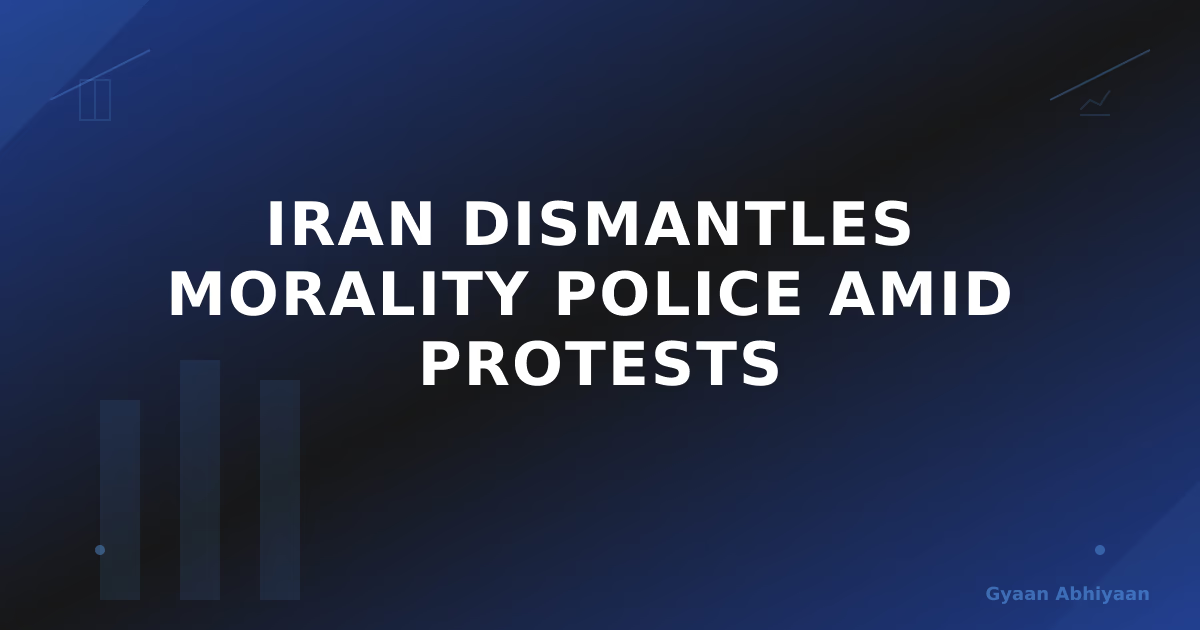
Iran Dismantles Morality Police Amid Protests
Of significant societal implications, Iran's dismantling of its morality police raises questions about the future of women's rights and governance in the country.
Why in News?
"Iran's decision to dismantle its **morality police** follows **widespread protests** ignited by Mahsa Amini's death, which spotlighted issues of **women's rights** and personal freedoms. This move symbolizes a potential shift in governance and **societal norms**. While many celebrate the change, skepticism remains regarding its durability and the government's commitment to reforms. The implications for women's rights and future governance in Iran remain uncertain, and the evolving dynamics promise further developments in the ongoing struggle for justice."
Iran’s decision to dismantle its morality police follows widespread protests ignited by Mahsa Amini’s death, which spotlighted issues of women’s rights and personal freedoms. This move symbolizes a potential shift in governance and societal norms. While many celebrate the change, skepticism remains regarding its durability and the government’s commitment to reforms. The implications for women’s rights and future governance in Iran remain uncertain, and the evolving dynamics promise further developments in the ongoing struggle for justice.
The Spotlight
- The dismantling of Iran’s Morality Police marks a significant response to protests ignited by Mahsa Amini’s death for alleged dress code violations.- Public demonstrations have targeted the enforcement of restrictive dress codes, highlighting widespread calls for personal freedoms and women’s rights.- The decision has garnered mixed reactions among Iranians, with some viewing it as a substantial victory while others remain skeptical of lasting change.- International responses vary, with optimism from some countries and concerns from others regarding potential regression in human rights.- The dismantling symbolizes a pivotal moment in Iran’s ongoing struggle for systemic reforms and accountability from authorities.
Context of the Protests
As protests ignited across Iran, they quickly grew into a powerful movement calling for change, primarily driven by the public’s outrage over Mahsa Amini’s tragic death after her arrest for allegedly violating dress code regulations.
The protest triggers included broader issues of personal freedom and women’s rights, resonating with a discontented populace.
People across various demographics engaged in civic engagement, gathering in public spaces to voice their dissent and demand accountability from the government.
This collective action highlighted the failure of authorities to respect individual liberties, motivating citizens to push for systemic reforms and a more just society.
The Case of Mahsa Amini
The tragic case of Mahsa Amini serves as a pivotal moment in Iran’s ongoing struggle for freedom and rights.
Mahsa Amini’s tragic death ignited a powerful movement for freedom and rights in Iran.Arrested for an alleged dress code violation, her untimely death after police detention ignited massive protests across the nation. These demonstrations, fueled by anger and calls for reform, challenged years of repression.
In the protests’ aftermath, Mahsa Amini’s legacy transformed into a symbol of resistance and justice, empowering Iranians to demand change.
Her story not only highlighted the struggle against the morality police but also united voices from diverse backgrounds in a fight for personal freedoms and human rights in Iran.
Understanding Iran’s Morality Police
Understanding Iran’s Morality Police requires examining its role in enforcing state-imposed social norms and regulations. Established to guarantee morality enforcement, this unit has operated under strict guidelines from government authorities. Its primary focus has been on women’s attire, often leading to arrests for perceived violations of societal norms.
Comprised of both male and female officials, they’ve promoted a narrow interpretation of Islamic dress codes. These patrols have become a symbol of the state’s control over personal freedoms, drawing criticism for their impact on women’s rights while fostering a culture of fear and compliance throughout Iranian society.
Impact of the Morality Police on Society
Iran’s morality police have profoundly shaped societal dynamics by enforcing strict dress codes and social norms, primarily targeting women. This institution not only undermined women’s rights but also influenced broader concepts of gender equality in Iran. Individuals increasingly felt pressure to conform, leading to a culture of fear and suppression.
Impact****ConsequencesGender EqualityDeterioration of women’s rightsSocietal NormsReinforcement of conservative valuesFreedom of ExpressionIncreased self-censorshipPublic SpaceLimited participation for womenUltimately, the morality police’s presence stifled diverse voices in Iranian society.
Reactions to the Abolishment of Morality Police
Amidst a backdrop of prolonged protests and societal unrest, the abolishment of the morality police in Iran sparked a mix of relief and skepticism among various groups.
Some celebrated the decision, viewing it as a victory for personal freedoms and an essential shift in public sentiment towards more progressive values.
Others, however, remained cautious, questioning whether this change would lead to lasting reforms or merely serve as a temporary appeasement.
The social dynamics within Iran continue to evolve, as citizens grapple with the implications of this significant decision, balancing hope for a freer society against the uncertainty of future policies.
Global Responses to Iran’s Decision
While many within Iran celebrate the dismantling of the morality police, global reactions reflect a mixture of hope and caution regarding this significant policy shift.
International reactions vary, with some countries expressing optimism for Iran’s progressive steps, while others worry about potential backtracking. The European Union highlighted the need for continued dialogue on human rights, emphasizing diplomatic implications for future negotiations.
International responses are mixed, balancing optimism for reforms with concerns over possible setbacks in human rights progress.Meanwhile, the United States encourages further reforms, stressing that dismantling the morality police is just the beginning.
This complex situation underscores the delicate balance between acknowledging change and holding Iran accountable for broader human rights issues.
Implications for Women’s Rights in Iran
As the morality police are dismantled, many speculate about the potential for enhanced women’s rights in the country. The move opens pathways for legal reforms aimed at increasing female empowerment and personal freedoms.
AspectCurrent StatusPossible ChangesDress CodeStrict enforcementRelaxation of hijab lawsRights AwarenessLimitedEducational initiativesLegal RepresentationMinimalImproved access to justiceWomen’s ParticipationRestrictedGreater involvement in societyThese changes could herald a new era for women in Iran, fostering a climate of progress and equality.
The Future of Governance in Iran
With the dismantling of the morality police, many experts believe Iran could be on the brink of significant political and governance shifts. This pivotal change might open doors for political reform, as citizens demand rights and freedoms previously stifled.
However, the Iranian leadership faces substantial governance challenges, including managing public expectations and addressing economic woes. As protests reflect a growing desire for change, the government must balance traditional values while adapting to modern demands.
The ongoing societal unrest signals that the future of governance in Iran will hinge on its ability to navigate this complex landscape of change and reform.
Frequently Asked Questions
What Triggered the Protests in Iran Recently?
Recent protests in Iran erupted following triggering events like Mahsa Amini’s death after her arrest. The protest dynamics intensified as citizens rallied against oppressive regulations, particularly mandatory hijab enforcement and broader human rights violations.
How Will the Abolition of Morality Police Affect Daily Life in Iran?
The abolition of the morality police could profoundly affect daily life in Iran. Many might experience newfound freedom, leading to societal changes in how individuals express their identity, particularly women, enhancing their rights and personal dignity.
Who Are the Key Figures Behind the Protests?
The protest leaders include prominent activists and grassroots organizers who’ve mobilized diverse activist movements. They’ve inspired widespread support, highlighting women’s rights and challenging oppressive regulations, greatly energizing public sentiment against the government’s authoritarian practices.
What Measures Might Replace the Morality Police in Iran?
To guarantee social regulation without the morality police, Iran might implement community-based awareness campaigns, promote cultural shifts towards personal choice, and utilize educational programs, fostering a more respectful discourse around women’s rights and freedoms.
How Has the Public Reacted to the Morality Police’s Disbandment?
Public sentiment has surged with the morality police’s disbandment, reflecting a desire for deeper societal change. Many embrace newfound freedoms, hoping this moment signals progress toward greater rights and personal autonomy for women in Iran.
Final Thoughts
The dismantling of Iran’s morality police represents a significant turning point in the country’s ongoing struggle for personal freedoms and women’s rights. As a direct response to widespread protests, this decision highlights the mounting pressure on the Iranian government to adapt to the demands of its citizens. While challenges remain, this move could signal a broader shift in governance, potentially paving the way for greater societal change and reform in the future.